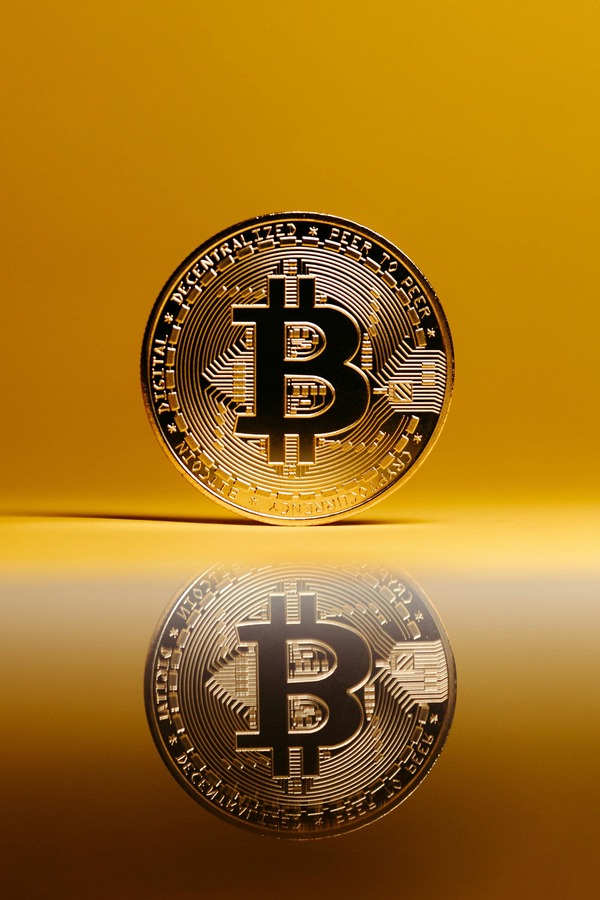
What is a Bitcoin wallet?
A Bitcoin wallet is a tool that manages the credentials used to access and move bitcoin on the Bitcoin network. In simple terms, it helps you receive BTC, check balances, and authorize outgoing transactions. What matters most is not the app or device itself, but the keys and backup information the wallet controls.
Bitcoin exists on the blockchain, not inside the wallet. The wallet stores or derives key material such as a private key, public key data, addresses, and usually a recovery phrase. The public side lets others send bitcoin to your receive address. The private side lets you approve a transaction and prove control over the funds.
Most modern wallets simplify this process. You usually see a balance, a QR code, a receive address, and a send screen, while the wallet handles key generation and transaction signing in the background. That simplicity is useful, but it can hide an important reality: if someone gets your private key or backup phrase, they may be able to move your funds. If you lose both the wallet and its backup, access may be lost permanently.
Do you need a wallet for Bitcoin?
Not always in the strictest sense. Some platforms let you buy bitcoin and keep it in a custodial account, which means the platform typically controls the keys for you. That can feel familiar to beginners because access is tied to an account rather than a self-managed backup phrase.
But if you want direct control over your BTC wallet, you usually need a non-custodial wallet. This is the setup most people mean when they talk about self-custody. It gives you more independence, but it also means you are responsible for your wallet backup, device security, and recovery process.
A practical way to think about it is this: if you want convenience above all else, custody may feel easier. If you want control over your wallet access credentials, a non-custodial wallet is the relevant choice. Neither model is automatically best in every situation. The better fit comes down to how much responsibility you want to carry.
Bitcoin wallet types compared
| Wallet type | Who controls the keys | Internet exposure | Best for | Main advantage | Main tradeoff |
|---|
| Custodial wallet | Service provider | Usually online through the provider | Beginners who prefer account-based access | Simpler recovery and familiar login flow | Less direct control over funds |
| Non-custodial wallet | User | Varies by setup | Users who want self-custody | Full control of keys and backup | More personal responsibility |
| Hot wallet | Usually the user | Connected to the internet at least part of the time | Everyday spending and smaller balances | Fast and convenient access | More exposure to phishing, malware, or device compromise |
| Cold wallet | Usually the user | Minimal online exposure | Long-term storage | Reduced online attack surface | Less convenient for frequent use |
| Mobile wallet | Usually the user, unless custodial | Usually online | Daily use and quick payments | Portable and easy to use | Phone security matters a lot |
| Desktop wallet | Usually the user | Usually online | Users who want a larger screen and more controls | Better visibility and sometimes more advanced settings | Depends on computer security |
| Hardware wallet | Usually the user | Keys kept isolated from general-purpose devices | Long-term storage and larger balances | Strong key isolation | Extra device, setup effort, and firmware upkeep |
These categories overlap. A hardware wallet is commonly used for cold storage, while a mobile wallet is often a hot wallet. Custodial and non-custodial describe who controls the keys, while hot and cold describe exposure to the internet. That is why a Bitcoin wallet comparison works best when you look at both dimensions together instead of treating them as separate debates.
How to choose the best Bitcoin wallet
Start with your actual use case rather than the marketing around a wallet. If you expect to send and receive bitcoin often, convenience matters. If you plan to hold a larger balance for a long time, reduced online exposure matters more. Many people do best with two separate setups: one for spending and one for savings.
Next, decide whether you want custodial or non-custodial control. A custodial wallet may be easier to recover through account support, but your access depends on the provider's systems and policies. A non-custodial wallet gives you direct key control, but you need to protect the backup phrase yourself.
Then look at the wallet's practical security model. A beginner wallet should make setup clear, explain backup steps plainly, and show transaction details clearly before you confirm. Useful features can include PIN protection, biometric access on mobile when appropriate, address verification, and fee control so you can adjust transaction urgency and cost. More advanced users may also care about open-source code, multisignature support, and compatibility with a personal node.
It is also worth deciding whether you want a Bitcoin-only wallet or a multi-asset wallet. A Bitcoin-only wallet may offer a simpler experience if BTC is your only focus. A multi-asset wallet can be convenient if you manage several cryptocurrencies, but that broader scope does not automatically make it a better Bitcoin wallet for beginners.
Finally, think about recovery before you deposit funds. If your phone or computer failed today, would you know how to restore the wallet? A secure bitcoin wallet is only useful if you can back it up and restore it correctly.
Best BTC wallet type by use case
| Use case | Wallet type that usually fits | Why it fits | Main caution |
|---|
| Complete beginner | Simple custodial wallet or beginner-friendly non-custodial mobile wallet | Easier setup and clearer learning curve | Understand who controls the keys before funding it |
| Small everyday balance | Mobile hot wallet | Quick access for payments and receiving BTC | Do not treat a phone wallet like deep cold storage |
| Long-term holder | Hardware wallet or other cold setup | Better suited to long-term storage | Backup handling is still critical |
| Larger balance | Cold wallet, often with stronger backup discipline or multisignature | Reduces single-device risk | Added complexity can create mistakes if poorly managed |
| One simple setup | Non-custodial mobile or desktop wallet | One interface for receiving and sending | May mix spending funds with savings |
| Better risk separation | Separate spending wallet and savings wallet | Limits exposure and improves organization | Requires clear backup habits for both setups |
This is why there is no universal best bitcoin wallet. A wallet that works well for daily payments may not be the best wallet for long-term storage, and a setup that is strong for security may feel too cumbersome for everyday use.
Can a Bitcoin wallet be hacked or funds be lost?
Yes, but the risk usually comes from the environment around the wallet rather than from Bitcoin itself. Hot wallets can be exposed to phishing pages, fake wallet apps, clipboard malware, device theft, or weak device security. Even a good wallet can be undermined if it is downloaded from an unofficial source or used on a compromised phone or computer.
Loss can also happen without a hack. A user might store the seed phrase in cloud notes, miscopy the backup phrase, send BTC to the wrong destination address, or forget which wallet holds long-term funds. In self-custody, human error is one of the biggest risks.
Hardware wallets reduce some online risk by isolating key use from general-purpose devices, but they do not remove the need for caution. Users still need to verify addresses carefully, keep firmware updated from official sources, and protect the recovery phrase. The same principle applies to software wallets: app updates, device lock settings, and transaction review still matter.
A useful rule is to think in layers. Official download source, secure backup storage, a locked device, clear address verification, and a small test transaction together do more to reduce risk than any single feature alone.
Before you receive BTC: a wallet safety checklist
- Download the wallet only from the official source or verified app store listing.
- Write down the recovery phrase or backup phrase exactly as shown, and store it offline in a place you can access later.
- Enable a PIN, password, or biometric protection where appropriate.
- Confirm that the receive address shown is the one you intend to use.
- Send a small test transaction before moving a larger amount.
- Match the wallet type to the amount stored: everyday spending is different from long-term storage.
- Keep the app, device software, or hardware wallet firmware reasonably up to date.
If you are planning your first transfer after setup, this checklist matters more than chasing a "best wallet" label. And if your next step is funding that wallet, you can buy bitcoin instantly once you understand the custody and backup tradeoffs.
Can you have more than one Bitcoin wallet?
Yes, and many people should. Using more than one wallet is a practical way to separate everyday spending from long-term storage. One wallet can stay convenient for regular transactions, while another can be used less often and kept with stronger backup discipline.
This approach can also reduce the impact of a single mistake or lost device. If one wallet is compromised, it does not automatically expose every balance you hold. The main requirement is organization: know what each wallet is for, label backups clearly, and avoid creating confusion that makes recovery harder later.
Final thoughts
The best Bitcoin wallet is the one that matches how you actually use bitcoin and that you can manage safely. For one person, that may be a simple mobile wallet. For another, it may be a hardware wallet reserved for long-term storage. The decision usually turns on key control, internet exposure, backup quality, and your tolerance for responsibility.
A good BTC wallet is not just convenient at setup. It should also make recovery, transaction review, and safe long-term use realistic for you. Before adding funds, make sure you understand who controls the keys, how restoration works, and what could go wrong if the device is lost or compromised.
Related Bitcoin guides
If you want to go beyond wallet selection, it can help to track the bitcoin price today separately from storage decisions. Price, buying, and wallet choice are related, but they are not the same task.